




Meta Description: Telehealth makes personalized wellness care more accessible through secure video visits, remote monitoring, and digital tools. Learn how to use it effectively for everyday and chronic conditions.
Telehealth has changed the way patients access healthcare by removing some of the most common barriers to consistent care.
Rather than scheduling time off, arranging transportation, or waiting in a clinic, patients can now connect with a clinician through secure video visits, remote monitoring tools, or direct messaging to discuss concerns ranging from migraines and skin conditions to stress management and chronic disease. These technologies allow care teams to monitor patient progress in real time and adjust treatment plans accordingly.
Understanding how to use telehealth effectively, including its capabilities and its limitations, is key to getting the most out of it.
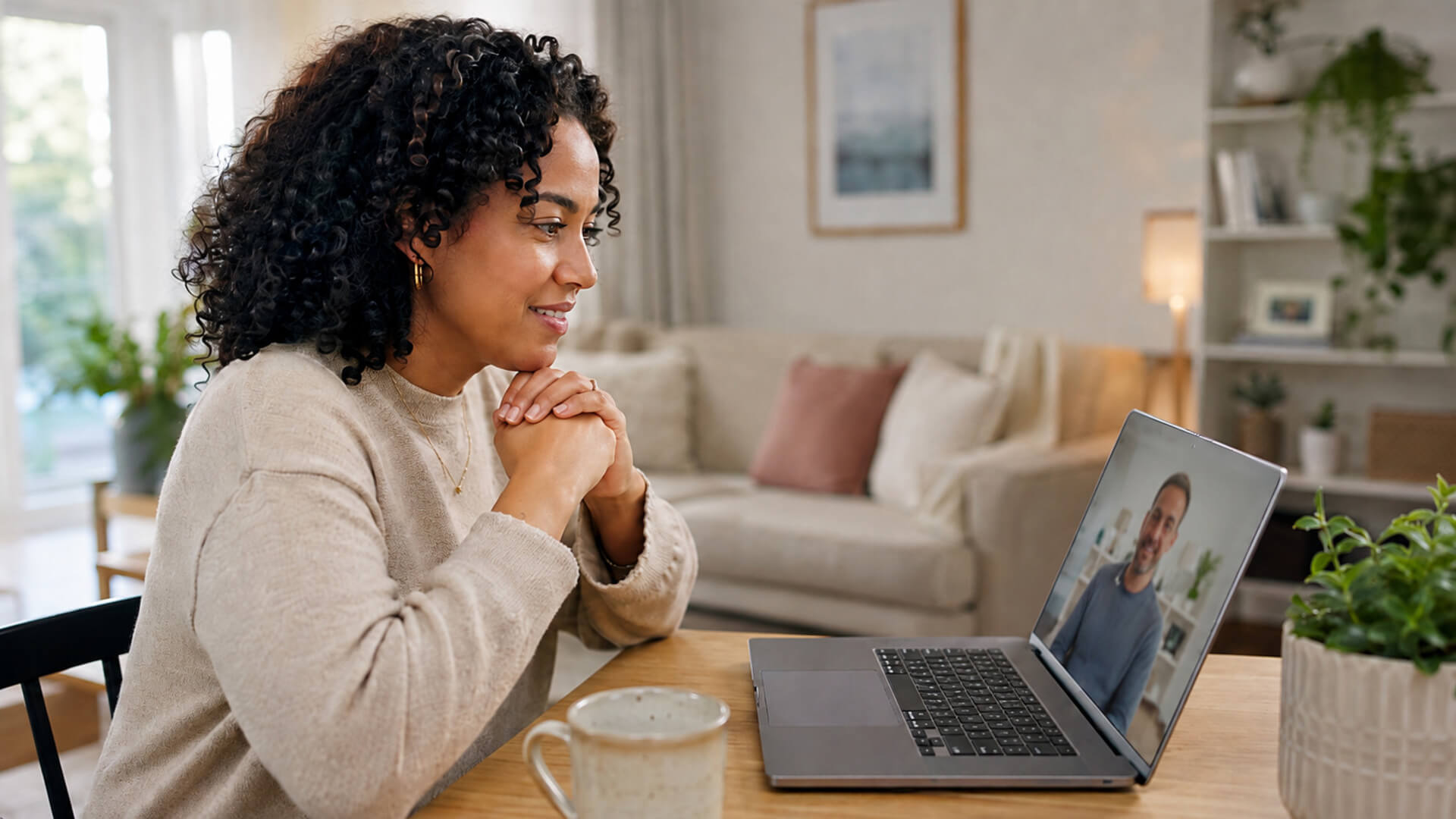
Telehealth allows you to receive care from a healthcare provider without going to a clinic in person. Using a smartphone, tablet, or computer, you can connect through secure video or telephone visits instead of traveling and waiting on-site.
Before your appointment, you may be asked to complete medical forms online and test your camera, microphone, and chat functions to reduce the chance of technical hiccups.
Telehealth visits are commonly used for things like headaches and migraines, minor skin conditions, routine diabetes follow-ups, mood or stress concerns, and mild respiratory symptoms like colds or coughs. Most appointments run 20 to 30 minutes, though the length can vary by clinic and reason for the visit.
To use telehealth, you generally need a reliable internet connection and a compatible device. The telehealth professionals at Azona Health recommend keeping a phone nearby as a backup in case the video connection drops, so the visit can continue by audio if needed.
While in-person visits remain important, telehealth expands the times and places where people can get care for both common and chronic conditions.
Many concerns, including migraines, skin rashes, colds, coughs, or COVID-19 symptoms, can be evaluated through a video visit from home or from a local clinic. For chronic conditions like diabetes, hypertension, or chronic lung disease, patients can use apps or connected devices to share blood pressure, glucose, or oxygen saturation readings directly with their care team. This allows clinicians to spot trends and adjust treatment plans more quickly when something changes.
Telehealth is also useful for prescription refills, reviewing lab results, and sending secure messages to your care team. For people who travel frequently, live in a rural area, or manage multiple health conditions, these conveniences can genuinely reduce the friction of staying on top of routine care.
One of the less obvious benefits of telehealth is how it changes the referral process. With real-time, multi-party video visits, a primary care clinician can loop in a specialist during the same appointment, review medical history or imaging together, and get input without requiring the patient to schedule a separate visit and travel again.
In mental and behavioral health, video-based counseling from home increases convenience and may reduce some of the hesitation people feel about being seen walking into a clinic. For patients who speak a language other than English, remote interpreters are available across many languages to support clear communication with clinicians.
When technical issues come up, most telehealth services have contingency plans, such as switching to a phone call or scheduling a follow-up remote check. These measures help maintain continuity of care and support timely responses when concerns are more urgent.
Telehealth isn't just about the appointment itself. Patient portals and secure messaging let you ask brief questions, request prescription refills, book follow-up visits, and review test results without needing to come in.
Remote monitoring devices and apps can send data like blood pressure readings, blood glucose levels, or oxygen saturation directly to your care team between visits, so they can act on changes before your next scheduled appointment.
Automated voice or SMS check-ins can help track how well you're sticking to nutrition, medication, or wellness plans. Web-based and phone triage tools use structured questions to help you figure out whether a symptom needs urgent attention or can wait, which is especially useful during periods when health systems are under strain.
Telehealth is generally well-suited for conditions like migraines, rashes, diabetes follow-ups, check-ins for depression or anxiety, and evaluations for colds, coughs, or possible COVID-19. It tends to work well for people who live far from a clinic, have limited mobility, or manage several ongoing health conditions.
That said, some concerns still require an in-person visit, including anything that needs a physical exam, blood draw, imaging, a procedure, or urgent diagnostic testing. It's also worth having a backup plan in case technical problems prevent a virtual visit from being completed.
Used alongside in-person care, telehealth gives you more flexibility and helps you stay connected to your care team without making every small concern feel like a half-day commitment.
Telehealth is not a replacement for comprehensive medical care, but it is a practical and increasingly well-supported way to stay connected to it. For routine follow-ups, prescription management, mental health support, and chronic condition monitoring, virtual care offers a level of flexibility that benefits both patients and clinicians. Understanding where it fits and where it does not is what allows you to use it effectively.
Copyright © C2 Management AB, 2017